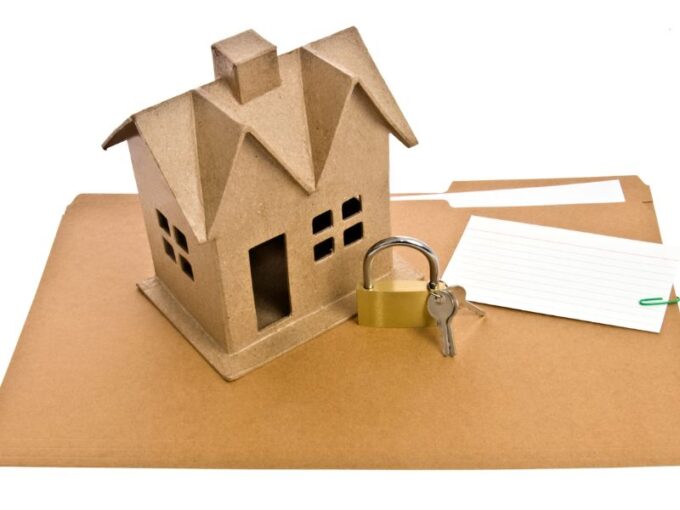
 Securing a mortgage to purchase your dream home is a significant financial decision. One of the essential aspects of this process is locking in a favorable mortgage rate. A mortgage rate lock ensures that the interest rate on your loan remains the same for a specified period, protecting you from potential rate fluctuations. We will explore when it’s best to lock in a mortgage rate and provide a step-by-step guide on how to do it.
When to Lock in Your Mortgage Rate
The perfect time to lock in your mortgage rate depends on various factors, and it’s not an exact science. Here are some key considerations to keep in mind:
Market Trends: Pay attention to the current economic climate and interest rate trends. If rates are historically low, it may be a good time to lock in a rate.
Your Financial Situation: Analyze your financial stability. If you’re comfortable with the offered rate and have a steady income, it might be a good time to lock it in.
Closing Timeline: Consider your closing timeline. A longer period before closing may justify an earlier rate lock to protect against potential rate increases.
Personal Comfort: Ultimately, your peace of mind is crucial. If you’re satisfied with the rate and don’t want to worry about future fluctuations, locking in the rate early can provide peace of mind.
Steps to Secure a Favorable Mortgage Rate
Locking in a mortgage rate involves a few straightforward steps. Here’s a simple guide to help you through the process:
Choose Your Lender: Start by selecting a reputable lender. It’s essential to work with a lender you trust and feel comfortable with.
Discuss Rate Lock Options: Speak with your lender about rate lock options. They will provide you with details on available rates and terms.
Decide on the Lock Period: Determine how long you need the rate lock. Common lock periods are 15, 30, 45, or 60 days, but some lenders offer longer periods.
Request a Rate Lock Agreement: Your lender will provide a rate lock agreement that outlines the terms and conditions, including the locked rate, expiration date, and any associated costs.
Lock the Rate: Once you’re satisfied with the terms, sign the rate lock agreement. This action locks in your mortgage rate for the agreed-upon period.
Monitor the Expiration Date: Keep track of the rate lock’s expiration date. If your mortgage doesn’t close before this date, you may need to discuss an extension or accept the prevailing rate.
Keep Your Finances Stable: Maintain your financial stability during the rate lock period. Any changes in your financial situation could have an impact on your mortgage approval.
Locking in a favorable mortgage rate is a crucial step in securing your home loan. By considering market conditions, your financial stability, and your personal comfort, you can make an informed decision on when to lock your rate. The steps involved in securing a rate lock are relatively straightforward, and your lender will guide you through the process. Ultimately, a rate lock provides peace of mind, ensuring that your interest rate remains consistent, regardless of market fluctuations.
 When a borrower applies for a mortgage loan, the lender typically requires proof of insurance coverage before they approve the loan. An insurance binder is a document issued by the insurance company that provides temporary proof of insurance coverage until the official insurance policy is issued.