
George L. Duarte

Mortgage Loans Fremont California Horizon Financial Associates

  • Home
  • About
    • About
    • Awards
    • Privacy Policy
    • California Privacy Notice
    • Accessibility Statement
  • Reverse Mortgage Library
  • Resources
    • Real Estate Corner Radio Show
    • VA Loans
    • Home Appraisal
    • Home Inspection
    • Loan Checklist
    • Loan Process
    • Mortgage FAQ
    • Mortgage Glossary
    • Closing Costs
    • Loan Programs
    • Living Trusts
  • Reviews
    • Video Testimonials
    • Reviews
    • Write a Review
  • Apply Now
  • Contact

Smart Technology or Home Automation: What’s the Difference?

May 24, 2018 by George Duarte

Smart Technology or Home Automation: What's the Difference?Is it worth it to add smart appliances or automated features if you’re selling a home? Just how much connectivity do buyers want? And what exactly do the terms refer to in terms of home updates.

Although smart homes and home automation are sometimes used interchangeably, they actually refer to two basically different concepts about how appliances and home systems can operate. Then there is the need for “connectivity,” adding another dimension to any discussion of futuristic home features.

Home Automation

According to a Texas-based Direct Energy blog, home automation has a long history, beginning with the first labor-saving devices that operated with electrical current. “Automatic” washing machines and hot water heaters certainly made life easier at the time, a time long before wireless technology and integrated home entertainment systems.That may be simplistic, but the truth is that any device that operates without human intervention can be termed automatic. 

Today, however, automation commonly refers to home features that are controlled by computer, or that can be set to operate in specific ways: motion-detected lighting, robotic floor cleaners, dishwashers and ovens with delay settings, and the wide range of room monitors, security cameras and voice or motion-controlled devices.

Smart Technology

Computers introduced American homes to smart technology and the Internet of Things. Today, almost every home has several “smart” devices, even if they are simple ones.  

Case in point: A programmable thermostat, common sensor-operated smoke detectors, and a backyard irrigation system with a timer control can be termed smart devices, albeit maybe only “elementary” smart.

Today, most smart technology is also controllable by wireless remote device. But the true definition of smart is any product that incorporates sensors or data storage, microprocessors or controls that allow autonomous operation. An internal operating system is employed to assure that the product operates as programmed, either through user interface or initial setup. Modern smart technology allows for broad integration of devices, in effect creating a “genius” network.

Connectivity

The third piece of the technology puzzle is connectivity. Both home automation and smart technology can be “connected,” for greater flexibility and integration, but it’s not necessary. And, just because homeowners can change a setting via smart phone or battery-operated remote doesn’t necessarily make an automatic appliance or home product smart. 

Connected products interact with one another over a network; the network collects and shares data, and is designed to monitor and allow some degree of control over the functioning of network-connected products or systems. 

For instance, a smart home with sophisticated lighting controls might automatically sense lower light levels at dusk, triggering an adjustment to window shades and turning on both interior and exterior lighting.

Confused? Actually, there’s no real need to be. No matter what you call them, the home features that make living better are all desirable!
Filed Under: Real Estate Tagged With: Automation, Improvements, Real Estate

Green Technology To Reduce Your Home’s Carbon Footprint

May 23, 2018 by George Duarte

Green Technology To Reduce Your Home's Carbon FootprintWhen you are a homeowner looking to reduce your carbon footprint, there are a number of steps you can take to make your home earth-friendly. From passive solar heating to solar panels, you can make a difference in the impact your home has on the environment.


Even when you aren’t building a new home, changes can be made to an existing property to increase efficiency and reduce reliance on utility systems.

Invest In Solar Power

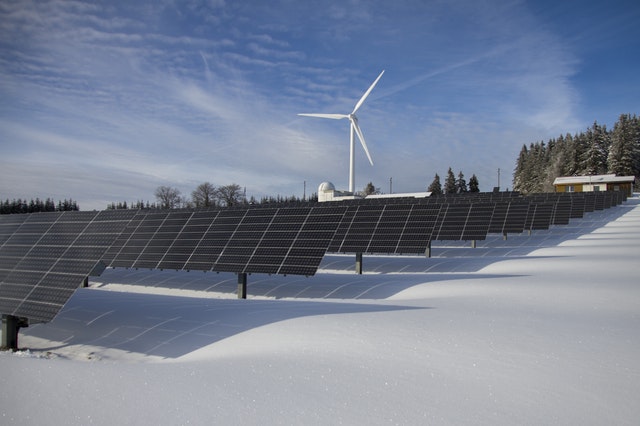
Solar panels are one of the most popular ways to reduce your carbon footprint, and with good reason. Solar panels often produce enough electricity so that you have energy to sell back to the energy grid every month. Over time, solar panels on your property can earn you money instead of costing money in utility bills.

Consider Passive Solar Designs

Passive solar is heating your home with the sun by using the right design. For example, certain materials such as slate holds heat. If you have a room that gets plenty of sunlight during the day, a slate floor can help keep the room warmer once the sun sets. If the floor is made from a material that dissipates heat, such as ceramic tile, your home won’t benefit from the sun once it sets.

Radiant Floor Heating Saves On Energy Costs

Heat rises, and those that invest in radiant floor heating find that it is easier to heat up a room. Radiant floor heating uses coils below the surface of your floor, creating heat. The heat rises into the room instead of getting blown in through a heating vent. This reduces the amount of energy you need to heat your home.

Invest In Energy Efficient Appliances

Every appliance that you use in your home has an impact. Consider investing in energy efficient appliances when you are trying to make your home more earth friendly. You will save money on utility costs and help the environment at the same time.

Consider a Clothesline

The energy used to heat your clothes and dry them can be eliminated if you simply hang everything outside to dry. While this adds to your workload, it is a free way to reduce your carbon footprint.

When you have a home, there are a number of ways you can help reduce your impact on the environment. Set up a recycling area in your home, have a vegetable garden if possible, and use electricity only when necessary.

Enjoy your space and don’t be afraid to try new ideas to reduce waste within your home.

Filed Under: Real Estate Tagged With: Energy Savings, Real Estate, Solar

« Previous Page
Next Page »

Sidebar

George L. Duarte

MBA, CMC, CMHS
Call 510.377.9059
Fremont, CA

California DRE Corp Lic no. 01032295
DRE Personal Brokers Lic. No. 00943635
NMLS Corporate Lic. No. 302358
Personal Lic. No. 302219

Horizon Financial Associates LogoView Lending CertificateNAMB Member Certificate

Get a Rate Quote
Mortgage Refinance Companies
NAMB
Proud Supporter Of Our Military
CMC Logo

Stay up to date with the latest news to your inbox!

No spam ever and you can unsubscribe anytime.


Horizon Financial Associates BBB Business Review

Connect with Me

Browse Articles by Category

Mortgage Pros2019 Best of Fremont2017 Best of Fremont2016 Best of Fremont

See More Awards →

Recent Articles

  • Millennials and the Pursuit of Homeownership
  • What’s Ahead For Mortgage Rates This Week – January 29th, 2024
  • Are You Ready for Home Ownership? Find Out by Answering These 4 Questions
  • Maximizing Your Mortgage: Unveiling Strategies for Faster Payoff and Interest Savings
Horizon Financial Associates is a BBB Accredited Mortgage Broker in Fremont, CA
Equal Housing Opp
crb logo REALTOR Logo


39488 Stevenson Pl Ste. 100
Fremont, CA 94539

Copyright © 2026 · Powered by MySMARTblog

Copyright © 2026 · Genesis Sample Theme on Genesis Framework · WordPress · Log in